
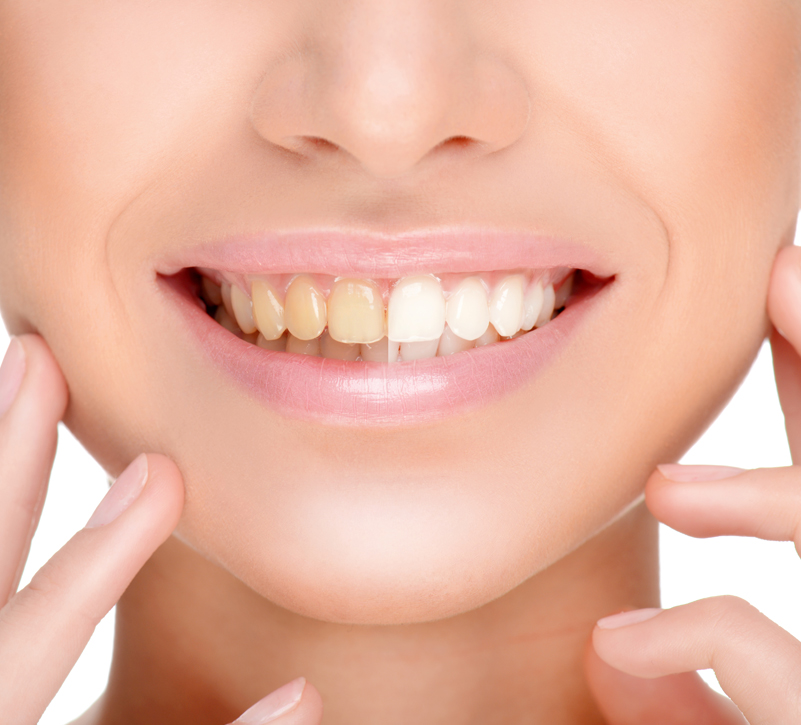
If you are planning a brighter, more even smile, it is natural to wonder about composite bonding vs teeth whitening and which treatment should come first. In most cases, professional teeth whitening is completed before composite bonding. That is because whitening changes the shade of your natural teeth, while composite bonding is made from a tooth-coloured resin that is selected to match the shade of your smile at the time it is placed.
This order matters. If bonding is placed first and you whiten later, your natural teeth may become lighter while the bonded areas stay the same colour. The result can be a mismatch that may need polishing, repair or replacement to blend in again. With careful planning, Thames Street Dental can help patients in Kingston upon Thames choose a sequence that looks natural and protects long-term oral health.
Professional teeth whitening in Kingston is designed to lighten natural tooth enamel. The Oral Health Foundation explains that whitening can lighten the colour of natural teeth without removing tooth surface, but it does not work on dentures, crowns, white fillings or bridges. The same planning principle applies to composite bonding because bonding resin does not bleach in the same predictable way as natural enamel.
Bupa Dental Care gives similar practical advice for patients planning composite bonding: dentists will typically recommend completing whitening first, because the composite resin is selected to match the colour of the teeth. Once bonding has been placed, it is not possible to whiten it further in the same way as natural teeth.
That does not mean every patient needs whitening before bonding. It means the colour decision should be made before the resin shade is chosen. If you are happy with your current tooth colour, bonding can be matched to that shade. If you would like a lighter smile, whitening first usually gives the dentist a more stable final shade to match.

Teeth whitening and composite bonding can both improve the appearance of a smile, but they work in different ways.
Whitening is mainly about colour. It can help brighten natural teeth that have become darker through age, tea, coffee, red wine, smoking or other staining factors. It is usually best when the main concern is general tooth colour rather than tooth shape.
Composite bonding in Kingston uses tooth-coloured resin to adjust the visible shape, edge, contour or selected colour areas of a tooth. It may help with small chips, slightly uneven edges, minor gaps, worn areas or localised imperfections. It can also make a tooth appear lighter if resin is placed over part of the surface, but that is different from whitening the natural enamel underneath.
For many cosmetic cases, the sequence is simple: assess oral health, complete any hygiene or dental care needed first, whiten if a brighter shade is wanted, wait for the shade to stabilise, then place composite bonding to match the new colour.
Cosmetic treatment should start with a dental assessment. Whitening or bonding may need to wait if there is untreated decay, gum inflammation, cracked teeth, leaking fillings, severe sensitivity or other dental concerns. This is not about slowing the process down; it is about making sure the final result is healthy, comfortable and predictable.
Surface staining, plaque and tartar can affect how teeth look. A hygiene appointment may be recommended before whitening so the teeth are clean and the gums are healthy. This can also help your dentist judge the true starting shade.
If you want a brighter smile, whitening is usually completed before bonding. Your dental team will explain how to use the whitening system safely, what sensitivity to expect and when to stop.
After whitening, the tooth shade can continue to settle. Your dentist will advise how long to wait before placing bonding. This helps avoid choosing a resin shade too early.
Once the final shade is clearer, composite resin can be selected and shaped to blend with your smile. The aim is a natural result, not an obvious patch of brighter material.
Although whitening first is common, there are exceptions. Bonding may come first when a tooth needs urgent repair, when the patient does not want a lighter tooth shade, or when the bonding is being used for a small functional or protective reason rather than a broad cosmetic shade change.
For example, if a front tooth has a small chip that feels sharp, your dentist may recommend smoothing or repairing it without waiting for a whitening plan. If bonding is needed after trauma, decay or wear, oral health and comfort take priority. Whitening can still be discussed later, but the patient should understand that bonded areas may not change shade with whitening.
There are also cases where whitening is not the right treatment. Teeth with heavy restorations, certain types of internal discolouration, active dental disease or significant sensitivity may need a different plan. In some cases, veneers, crowns, replacement fillings or a combined plan may be more appropriate than whitening alone.
If you already have composite bonding and want whiter teeth, do not assume whitening will brighten everything evenly. Your natural teeth may lighten while the bonded areas remain closer to their original shade. Depending on how visible the bonding is, this may or may not be a problem.
Your dentist may suggest whitening the natural teeth first, then polishing, repairing or replacing the bonding to match. If the bonding is small and tucked away, it may blend acceptably. If it is on the front teeth, the mismatch may be more noticeable. A consultation can help you understand whether existing bonding will need attention after whitening.
This is one reason not to use online whitening products without advice. The Oral Health Foundation warns that some products bought online may contain unsafe levels of hydrogen peroxide and can risk sensitivity, burned gums or damage. A dentist-led plan is safer, particularly when you already have dental restorations.
There is no one-size-fits-all waiting period because whitening systems, tooth response and clinical plans vary. Many dentists prefer to let the shade settle before final shade matching for composite bonding. This can help the resin blend better with your final tooth colour rather than a temporary post-whitening shade.
Your dentist will also consider sensitivity, gum health and whether you are continuing any top-up whitening. If you plan to keep whitening after bonding, say so at the consultation. That way, the team can explain how top-ups might affect the contrast between natural enamel and composite resin over time.
At Thames Street Dental, cosmetic planning starts with a conversation about what you want to change and why. Some patients want a brighter overall shade. Others want to repair a chip, soften a gap, smooth uneven edges or improve an old restoration. Many want a combination of small changes that still looks like their own smile.
A sensible plan may include teeth whitening, composite bonding, hygiene care, replacement white fillings, veneers or another form of cosmetic dental treatment. The General Dental Council expects dental professionals to obtain valid consent before treatment, including explaining relevant options and possible costs. That is especially important for cosmetic dentistry because there may be more than one reasonable route.
You can also review the treatment fee guide, look at the smile gallery, or read more about what composite bonding is before booking.
If your main concern is tooth colour, start by asking about whitening. If your main concern is shape, chips, gaps or edge wear, ask about bonding. If you want both, ask whether whitening should be completed first so the bonding can be matched to your chosen shade.
As a broad guide:
The right order is not just about aesthetics. It is about planning treatment so each step supports the next.
If you are deciding between composite bonding and teeth whitening, contact Thames Street Dental to plan the right order for your smile.







 020 8546 6546
