
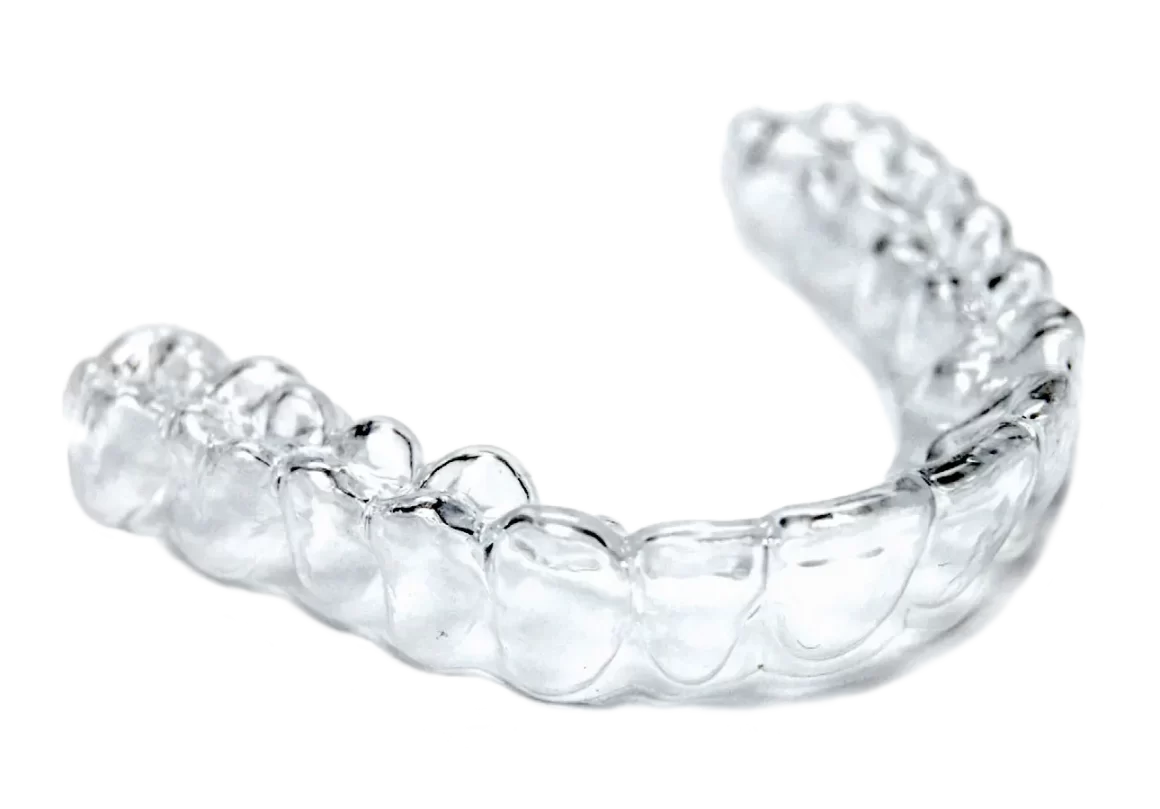
32Co aligners are clear, removable aligners used as part of orthodontic treatment to help move teeth into a planned position. Like other clear aligner systems, they work through a series of custom-made trays that fit over your teeth and apply gentle pressure over time.
If you are researching 32Co aligners, you may be comparing them with Invisalign, fixed braces, other clear aligner systems or online aligner options. The most important point is that clear aligners are still orthodontic treatment. They should be planned around your oral health, bite and long-term stability, not just around how straight the front teeth look in a photograph.
32Co is a clear aligner company that works with dental professionals to provide aligner treatment planning and support. The patient experience will usually involve an assessment, digital records or scans, a proposed treatment plan, a sequence of aligners and review appointments with the treating dentist or clinician.
The aligners themselves are thin, transparent plastic trays made to fit your teeth. Each aligner is slightly different from the last, so the teeth are guided gradually from their starting position towards the planned result. The British Orthodontic Society explains that clear aligners are removable plastic appliances used to move teeth and that patients need proper assessment to check whether they are suitable.
Because 32Co is a brand and treatment pathway rather than a single appointment, what matters most for patients is the clinical process behind it: who assesses you, who reviews the plan, what movements are being attempted, what the risks are and how your result will be retained afterwards.
Clear aligner treatment starts with diagnosis and planning. Your dentist checks your teeth, gums, bite, jaw relationship, existing fillings or crowns, oral hygiene and any symptoms such as sensitivity, pain or gum problems. Photographs, X-rays or digital scans may be needed before treatment can be planned safely.
If aligners are suitable, a digital treatment plan can be created to show the intended tooth movements. This plan is useful, but it is not a guarantee. Teeth move biologically, and the final result depends on suitability, aligner fit, wear time, attachments, refinements and how your teeth respond.
Once the aligners are made, you wear each set in sequence. Your dentist will tell you how long to wear each aligner and how many hours per day are needed. Many clear aligner systems require wear for most of the day, with aligners removed for eating, drinking anything other than water, brushing and flossing.
Some patients also need small tooth-coloured attachments bonded to certain teeth. These help the aligner grip and guide specific movements. In some cases, a small amount of enamel reshaping between teeth, known as interproximal reduction or IPR, may be recommended to create space. Your dentist should explain why it is needed, how much is planned and what the alternatives are before treatment begins.
32Co aligners and other clear aligner systems may be suitable for selected mild to moderate orthodontic concerns, such as spacing, mild crowding, small rotations or relapse after previous orthodontic treatment. They may also be considered before cosmetic dentistry where moving the teeth first would give a more balanced result.
Suitability is individual. Clear aligners may not be the best option if tooth movement is complex, if the bite needs significant correction, if gum health is unstable, if oral hygiene is poor, or if a patient is unlikely to wear the aligners consistently. Some cases may be better treated with fixed braces, specialist orthodontic care or a combined plan.
At Thames Street Dental, a clear aligner discussion should start with a proper examination. That may include checking whether you need a dental examination, hygiene treatment or other dental care before orthodontic planning. Healthy foundations make tooth movement safer and more predictable.
32Co and Invisalign are different clear aligner brands and workflows. Both are used for removable clear aligner treatment, but the systems, planning tools, clinician support, pricing and case selection may differ. The best choice is not simply the best-known brand or the newest name. It is the option that suits your mouth, treatment goals, clinical complexity and budget.
If you are comparing Invisalign in Kingston with 32Co aligners or another clear aligner route, ask what each option includes. Important questions include who designs the treatment plan, how reviews are handled, whether refinements are included, what happens if tracking is poor and what type of retainer is recommended at the end.
You can also read more about teeth straightening in Kingston if you are still comparing orthodontic options.
A clear aligner consultation is not just a sales appointment. It should help you understand whether aligners are suitable and what treatment would involve. Your dentist may ask what you want to change, whether you have had braces before, how well you can commit to wearing aligners and whether you have any dental concerns.
The assessment may include:
The General Dental Council expects dental professionals to obtain valid consent, including explaining relevant options, risks, benefits and likely costs. This is especially important for orthodontics because treatment changes tooth position and requires long-term retention.
Most patients find clear aligners easier to fit into daily life than fixed braces, but they still require discipline. Aligners may feel tight when a new set is fitted. Mild pressure is common as the teeth start to move. Speech may feel slightly different at first, although many people adapt quickly.
You will need to remove aligners for meals and clean your teeth before putting them back in. This helps reduce the risk of staining, decay and gum irritation. Drinking water with aligners in is usually fine, but hot drinks can distort plastic and sugary or acidic drinks can sit against the teeth under the aligner.
Good cleaning matters. Brush and floss carefully, clean the aligners as instructed, and keep up with any recommended dental hygiene appointments. If aligners are not worn for the recommended time, treatment may slow down or the teeth may not track as planned.
Clear aligners are popular because they are discreet, removable and usually easier to clean around than fixed braces. For suitable patients, they can fit well around work, social events and daily routines. Being able to remove them for meals also means there are fewer food restrictions than with fixed brackets and wires.
However, removable treatment has a trade-off: it depends heavily on patient cooperation. If the aligners spend too much time in the case, they cannot move the teeth effectively. A patient who wants a removable option needs to be honest about whether they can wear aligners consistently.
Clear aligners are one part of orthodontics, not a shortcut around diagnosis. Patients should be cautious about any aligner offer that promises results without proper examination, X-rays or ongoing clinical oversight where needed. For more context, read our article on the dangers of ordering aligners or clear braces online.
Clear aligners are not suitable for every orthodontic problem. Some tooth movements are harder to achieve with aligners than with fixed braces. Teeth may not move exactly as predicted, and refinements may be needed. If gum health is poor, moving teeth can carry extra risk. If retainers are not worn after treatment, teeth can move back.
Possible issues during treatment include tenderness, rubbing, speech changes, attachment loss, aligners not fitting properly, gum irritation, decay risk if hygiene is poor, or the need to change the plan. These are reasons to choose a route with proper monitoring and a clear point of contact if something does not feel right.
Your dentist should explain the benefits, risks, alternatives and expected costs before you decide. If a case is outside general dental scope, referral to a specialist orthodontist may be the safest option.
Yes. Retainers are a normal part of clear aligner treatment. Once teeth have moved, they need support to help them stay in their new position. Without retention, teeth can relapse over time.
Your dentist will advise what type of retainer is suitable, how often to wear it and when it should be replaced. Some patients have removable retainers, fixed retainers, or both. Retention is not an optional extra; it is part of protecting the result you have worked for.
If you are considering 32Co aligners, Invisalign or another clear aligner option, the best next step is a personalised assessment. Thames Street Dental can discuss whether clear aligner treatment may be suitable, whether any dental care is needed first and what alternatives might fit your goals.
The right plan may involve orthodontics in Kingston, Invisalign, 32Co aligners, fixed braces through a specialist referral, hygiene care, cosmetic bonding after alignment, or no treatment if the risks outweigh the benefits. A careful conversation helps you make a decision that is based on your mouth, not just a generic aligner advert.
You can view the treatment fee guide or contact Thames Street Dental to ask about clear aligner consultations.
Thinking about 32Co aligners or another clear aligner option? Contact Thames Street Dental to arrange a consultation in Kingston upon Thames.







 020 8546 6546
