A lost filling leaves part of a tooth without the restoration that previously sealed or supported it. Call a dentist, describe what happened and arrange the most appropriate appointment. Until then, keep the area clean and reduce pressure on that tooth. A missing filling is not automatically a hospital emergency, but it should not be ignored simply because it is painless.
The urgency depends on symptoms and how much tooth has broken. This guide covers sensible short-term steps and warning signs. It cannot show whether decay, a crack or an exposed nerve is present, so it cannot tell you which treatment you need.
If you still have the filling fragment, place it in a clean container and bring it with you. A dentist may not reuse it, but seeing it can help clarify what detached. If the restoration was actually a crown or an inlay, mention that when you call because the advice and appointment may differ.
A lost filling without pain or swelling may be managed through a prompt routine appointment, depending on the tooth and the practice’s assessment. Urgency increases when the tooth is very painful, pain interrupts sleep, the remaining tooth is breaking, or symptoms suggest infection. A sharp edge that is repeatedly cutting the tongue or cheek also deserves timely advice.
Call urgently if there is facial swelling, fever, a bad taste with increasing pain, difficulty opening your mouth, or recent trauma. Use NHS 111 if you cannot obtain urgent dental advice. Call 999 for severe breathing difficulty, rapidly spreading swelling affecting the airway, major facial injury or uncontrolled heavy bleeding.
Do not wait for pain as proof that the tooth needs attention. Some teeth remain comfortable despite exposed dentine, recurrent decay or a crack. Earlier assessment may allow a more conservative repair than waiting until a larger section breaks.
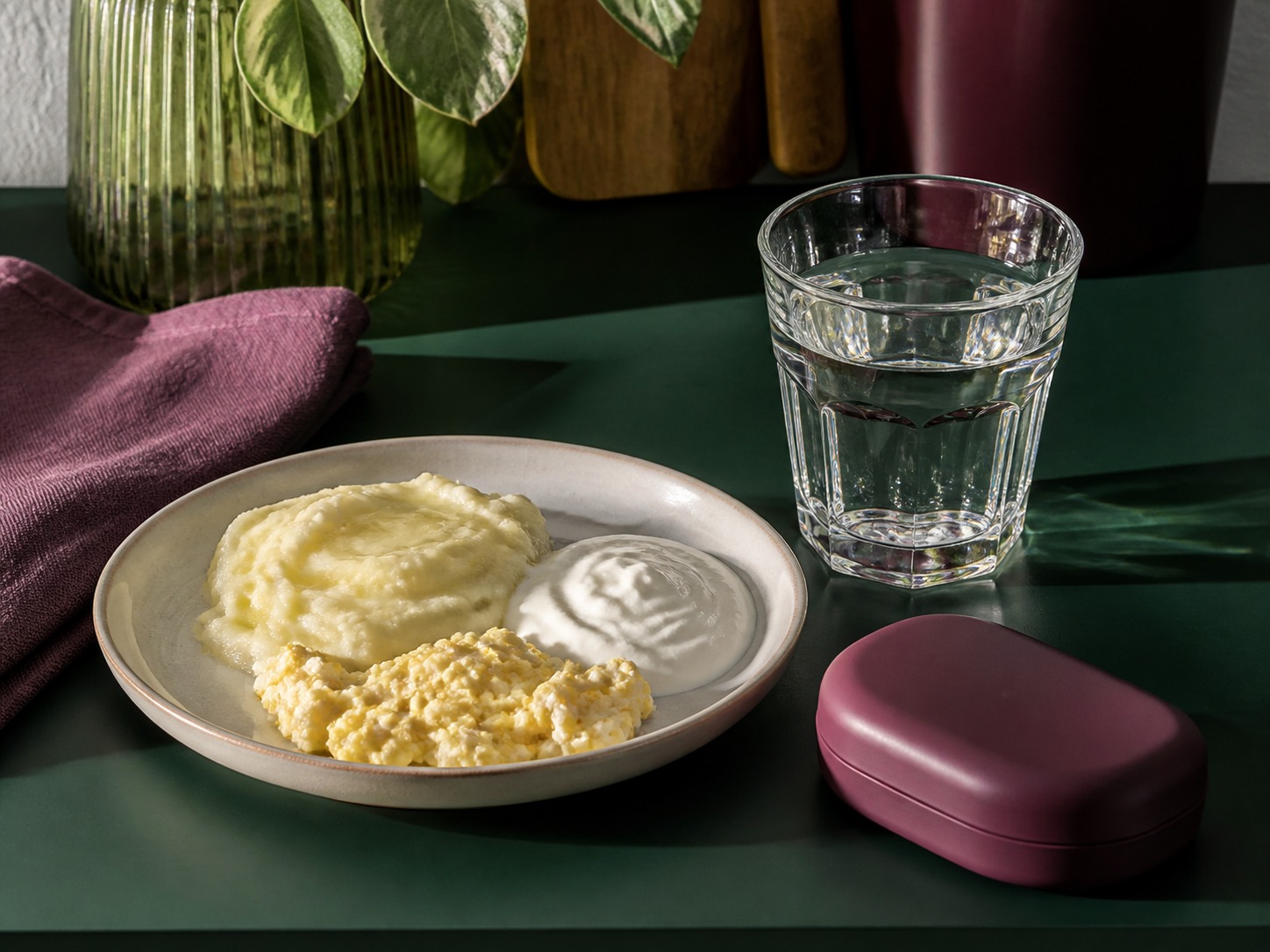
Food temperature and texture matter more than following a special diet. If the tooth is sensitive, room-temperature food and drink may be easier. Avoid hard crusts, nuts, ice and sticky sweets that can place force on weakened enamel. Limit frequent sugar because an unsealed area can trap food and plaque.
Continue brushing twice daily with fluoride toothpaste. Approach the affected tooth gently and use an appropriate interdental method around neighbouring teeth. If food repeatedly packs into the opening, rinse after meals rather than probing with pins, toothpicks or another sharp object.
A pharmacy may stock temporary filling material intended for short-term use. Ask a pharmacist whether it is suitable and follow its instructions exactly. It is not a permanent repair and can conceal worsening symptoms, so still arrange a dental examination.
Never attach a filling, crown or tooth fragment with superglue or household adhesive. These products are not designed for the mouth and can damage tissue or make later treatment harder. Do not file the tooth yourself, force an old restoration into place, put aspirin against the gum, or continue chewing on the area to see whether it holds.
A restoration can loosen because the material has worn, the tooth or filling has fractured, or decay has developed at an edge. Heavy biting forces, grinding and biting an unexpectedly hard object can contribute. Sometimes what feels like a lost filling is a broken cusp from the tooth itself.
The age of a filling alone does not identify the cause. A recently placed restoration may fail for a different reason from one that has functioned for many years. The dentist will consider the remaining tooth structure, bite, gum condition, symptoms and any previous root canal treatment before discussing repair.
Tell the dentist if the tooth had been sensitive before the filling fell out, whether you heard a crack, and whether the fragment came away while eating. Bring an up-to-date medicine list and mention pregnancy, allergies, anticoagulants or relevant medical conditions.
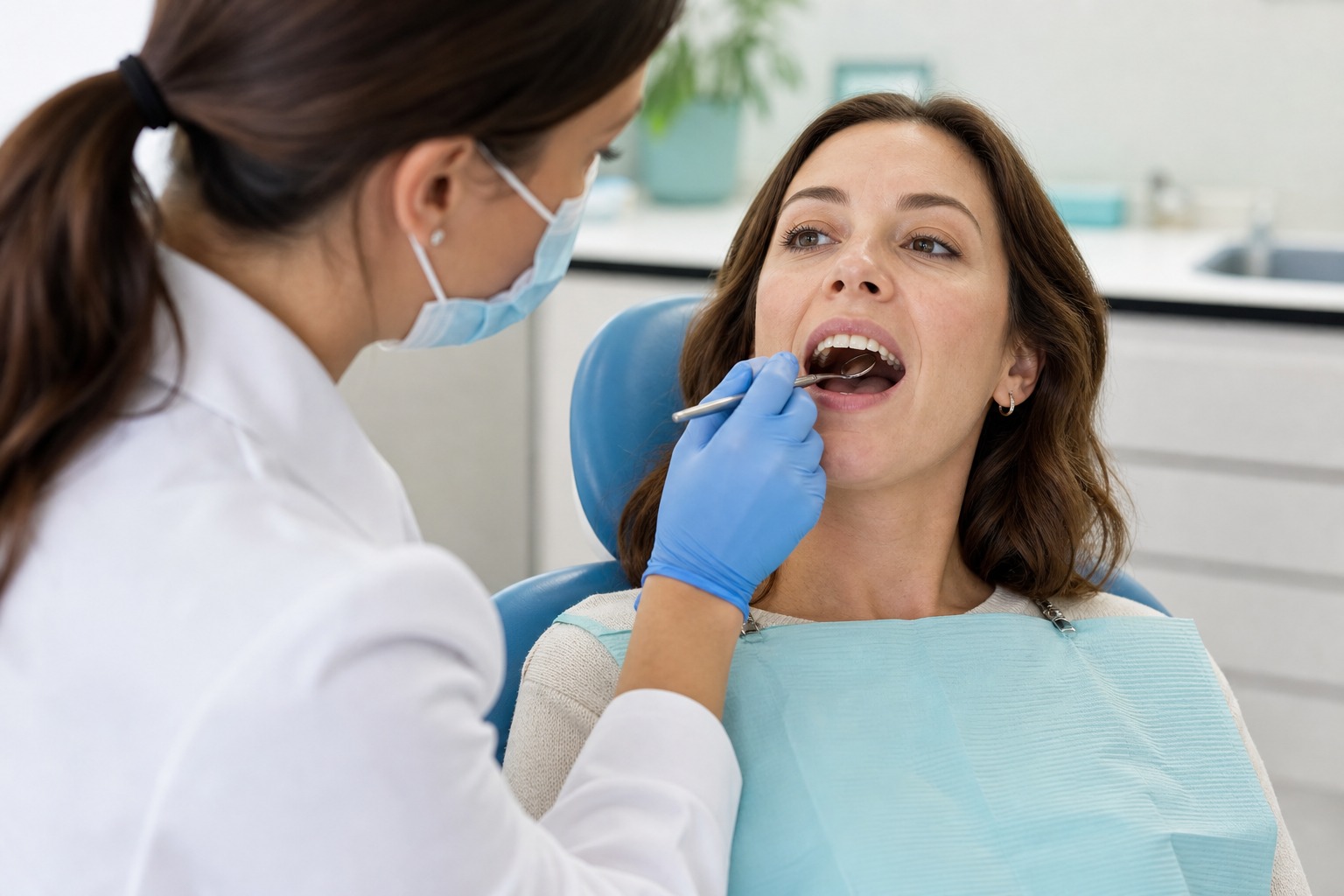
After examining the tooth, the dentist may take an X-ray if it would change the diagnosis or treatment plan. A small, sound cavity may be suitable for another direct filling. A tooth that has lost more structure may need a laboratory-made inlay, onlay or crown. These restorations cover different amounts of tooth and are not interchangeable labels for the same treatment.
If the nerve is inflamed or infected, simply sealing the surface may not address the problem. Root canal treatment or extraction may need discussion, depending on whether the tooth can be restored and your circumstances. Where a crack extends deeply, the options may be more limited. No article can predict this from the size of the visible hole.
Read about dental fillings and dental crowns in Kingston for the role of different restorations. Fees depend on assessment and the chosen repair; request a written estimate rather than assuming that every lost filling has the same cost.
A lost crown is not automatically a hospital emergency, but the exposed tooth and crown should be assessed promptly. Urgency increases with severe pain, swelling, trauma, uncontrolled bleeding or a swallowing or breathing concern. Keep the crown in a clean container and do not force or glue it back.
A dentist may sometimes be able to recement a crown, but only when the crown, remaining tooth, fit and underlying cause are suitable. Decay, fracture or a changed fit may require a different repair or replacement plan.
When you book, explain whether a filling or crown was lost, when it happened and whether there is pain, swelling or trauma. Bring the loose restoration or fragments, a current medicine list and any relevant recent dental information. These details help the practice triage how soon you should be seen.
Keep the tooth clean, avoid hard chewing on it and arrange an assessment. Lack of pain does not confirm that the remaining tooth is sound.
No. Keep a loose fragment in a container, but do not force or glue it into the tooth.
Call promptly so the practice can triage the tooth. Severe pain, swelling, trauma or systemic symptoms increase urgency.
No. The choice depends on decay, cracks, remaining structure, bite and nerve health. Some teeth need a different restoration or further treatment.
Yes, but be gentle. Keeping plaque and food away is useful; do not push bristles or sharp objects deep into the cavity.
Call Thames Street Dental with your symptoms so the team can help arrange the right type of appointment.







 020 8546 6546
