

Can gingivitis be reversed? Early gingivitis can often improve when plaque is removed effectively, daily brushing and interdental cleaning are consistent, and a dentist or hygienist checks the gums. If inflammation has progressed to periodontitis, the condition may need more involved professional care and ongoing monitoring.
The important point is that bleeding gums should be assessed, especially when symptoms continue. Online guidance can explain common patterns, but it cannot confirm the cause of gum bleeding for an individual patient.
The NHS describes gum disease as gums becoming red, swollen, sore or bleeding. One common reason is plaque, a soft film of bacteria that builds up around the teeth and irritates the gumline when it is not removed well.
Bleeding can also be affected by brushing technique, interdental cleaning habits, smoking, pregnancy, diabetes, medication, previous gum disease and how often calculus or tartar builds up. A dental team can look for signs that distinguish temporary inflammation from a more established gum problem.
Book dental advice if gums keep bleeding, feel painful or swollen, or symptoms are worrying. Ask for urgent dental advice if bleeding gums are accompanied by very sore swollen gums, teeth becoming loose, ulcers or red patches in the mouth, or a lump in the mouth or on the lip.
Seek urgent medical help for severe facial swelling, difficulty breathing or swallowing, or feeling very unwell. These symptoms are not routine gum-health issues and should not be delayed by home care.
Gingivitis is early inflammation of the gums. At this stage, the main problem is usually irritation around the gumline. With effective cleaning and professional guidance, the gums can often settle.
Periodontitis is more advanced gum disease. It can affect the tissues and bone that support the teeth. The British Society of Periodontology and Implant Dentistry explains that signs may include bleeding when brushing, movement or drifting of teeth, and that some people may not notice obvious signs without dental assessment.
For a deeper background guide, read Thames Street Dental’s article on periodontitis and gingivitis.
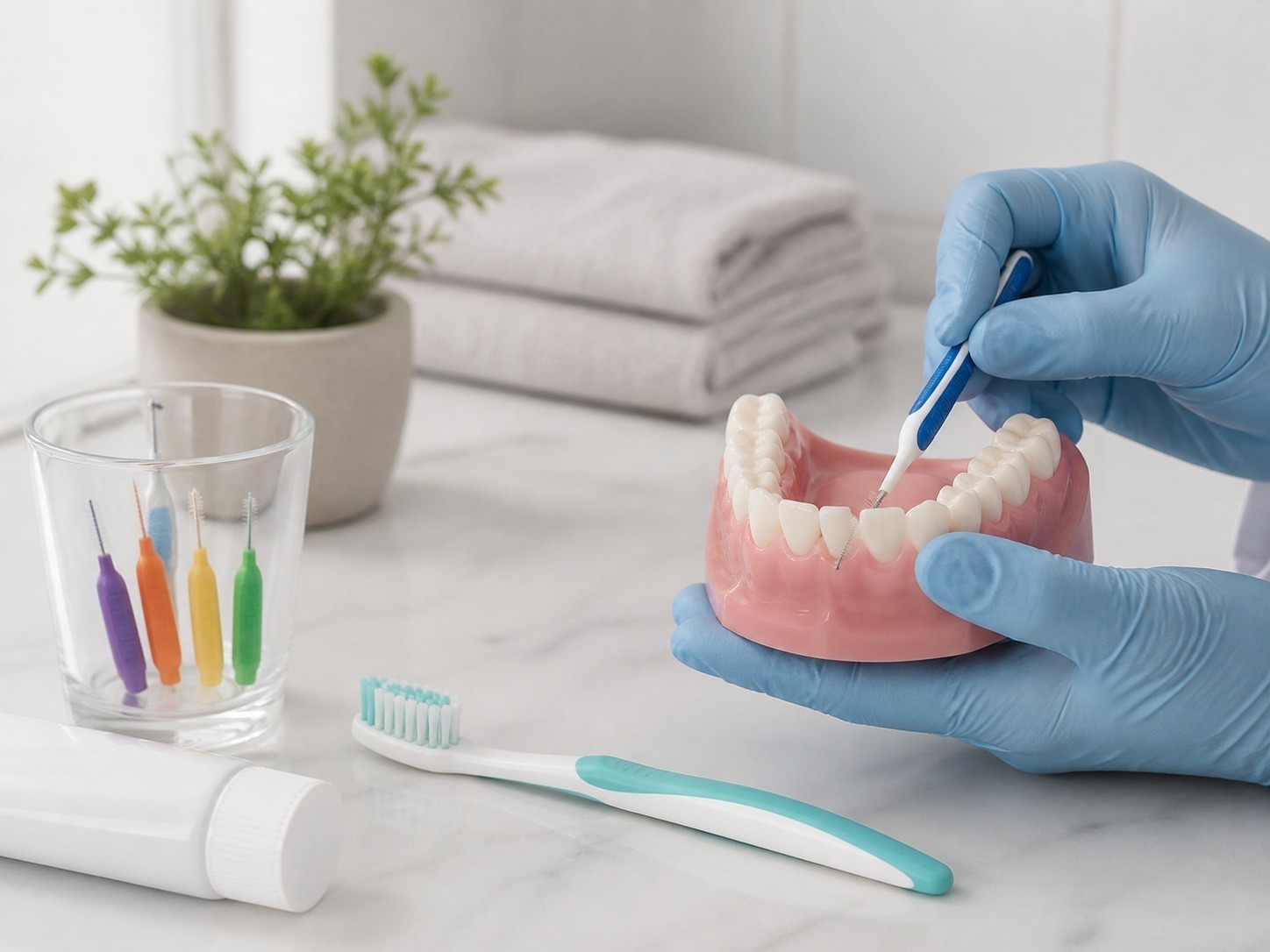
A gum-health appointment is designed to understand why symptoms are happening and what level of care is appropriate. At Thames Street Dental, this may sit alongside a dental check-up in Kingston or a dental hygiene visit.
For early gingivitis, daily plaque control is central. The NHS recommends brushing with fluoride toothpaste at least twice a day, cleaning between the teeth every day with floss or interdental brushes, and seeing a dentist and hygienist for regular checks, especially for people with higher risk factors such as pregnancy or type 2 diabetes.
The Oral Health Foundation also advises continuing to clean carefully even when gums bleed, because avoiding the area can allow plaque to build up further. If bleeding does not settle after improved cleaning, the dental team should check whether professional scaling, hygiene advice or further gum assessment is needed.
Patients in Kingston who notice persistent gum bleeding can read more about dental hygiene and scale and polish in Kingston or contact the practice for guidance on the right appointment type.
Thames Street Dental can help patients in Kingston understand what may be causing bleeding gums and what the right next step may be. Depending on the symptoms, that might involve a check-up, hygiene care, home-care advice, monitoring, or a referral path for more complex periodontal needs.
Early gingivitis can often improve when plaque is removed well, daily cleaning is consistent and the gums are checked by a dentist or hygienist. More advanced gum disease may need ongoing professional care.
Gingivitis is early gum inflammation. Periodontitis is more advanced gum disease that can affect the supporting tissues and bone around teeth.
Seek dental advice if gum bleeding continues, gums are painful or swollen, bad breath persists, or there are signs such as loose teeth, pus, ulcers, red patches or a lump.
A hygienist may help with plaque and calculus removal, tailored cleaning advice and ongoing gum-health support. A dentist may also need to check for more advanced gum disease or other causes.
Book a dental or hygiene appointment if bleeding continues, symptoms are worsening, gums feel sore or swollen, or there is uncertainty about what is causing the bleeding.
Bring details of symptoms, oral-hygiene routine, smoking status, medication, medical history, pregnancy status if relevant and any previous gum treatment.
Thames Street Dental can check bleeding gums, explain what may be contributing to the symptoms and help plan the right dental or hygiene next step.
Can gingivitis be reversed? Early gingivitis can often improve when plaque is controlled, teeth and gums are cleaned effectively and professional advice is followed. It should not be presented as certain for every person, and bleeding gums should be checked because periodontitis is more serious and may need ongoing care.
This release candidate is general patient information and must be checked by a dental professional before staging upload.
Gingivitis affects the gums at an early stage. Periodontitis is more advanced and can involve the bone and tissues that support teeth. BPE screening, gum measurements, bleeding points, plaque levels, tooth mobility and gum recession can help a dentist or hygienist understand what is happening.
Periodontitis vs gingivitis should remain a supporting comparison article. This release candidate should answer the reversible-gingivitis question and link patients towards care rather than replacing that page.
Plaque control is central. The NHS advises brushing with fluoride toothpaste, cleaning between the teeth daily and seeing a dentist or hygienist for regular checks. Professional hygiene support may remove plaque and tartar from areas that are difficult to clean at home and can help with tailored brushing or interdental-cleaning advice.
Useful next-step links are dental hygiene and scale and polish in Kingston, dental check-ups, bleeding gums when brushing, gum recession guidance and contact Thames Street Dental.
Arrange advice if bleeding continues, gums are painful or swollen, bad breath persists, gums recede, teeth feel loose, or there is a lump, ulcer, pus, swelling or worsening pain. For facial swelling, breathing difficulty, swallowing difficulty or feeling very unwell, seek urgent help.
Fees depend on the assessment and any hygiene or periodontal care required. Link patients to the current Thames Street Dental fee guide and avoid repeating exact prices unless they are checked during upload.
Early gingivitis can often improve when plaque is controlled and professional advice is followed, but it is not certain for every person. A dental assessment helps confirm the stage and next step.
Gingivitis is early gum inflammation. Periodontitis is more advanced gum disease affecting the supporting tissues around teeth and may need ongoing professional care.
Book advice if bleeding continues, gums are sore or swollen, bad breath persists, teeth feel loose, gums recede or symptoms are worsening.
Anyone with bleeding, swollen, tender or receding gums, persistent bad breath, loose teeth or concerns about gum health may benefit from assessment.
The dentist or hygienist may check plaque, bleeding, gum pockets, BPE screening, gum recession, tooth mobility and home-care technique before advising on the next step.
Book Online or contact Thames Street Dental for gum-health advice in Kingston.








 020 8546 6546
