
How long veneers last cannot be reduced to one guaranteed number. A well-planned veneer may function for many years, but it can chip, debond, wear or need replacement as the supporting tooth, gum and bite change. The useful question is not only how old the veneer is, but how it was designed, what it is made from and what forces it experiences.
This guide explains the factors that affect porcelain and composite veneer longevity, what daily care can and cannot do, and which changes deserve a dental assessment. Your own prognosis needs an examination because online averages cannot show enamel quality, decay, gum health or grinding.
A porcelain veneer is a thin laboratory-made ceramic facing bonded to the visible surface of a tooth. Composite veneers are built from tooth-coloured resin, often directly on the tooth. Both can change shape, colour or proportion where suitable, but the materials respond differently to staining, polishing, wear and repair.
Porcelain generally keeps its surface gloss and colour well, while composite can pick up stain and lose polish over time. Composite may sometimes be repaired directly, whereas a damaged porcelain veneer may need laboratory replacement. These are broad differences, not a promise that one option will always last longer for a particular patient.
The amount of healthy enamel available for bonding matters. Veneers bonded mainly to suitable enamel can behave differently from restorations placed on heavily filled, worn or prepared teeth. That is one reason a consultation should assess the starting tooth rather than choosing a material from photographs alone.
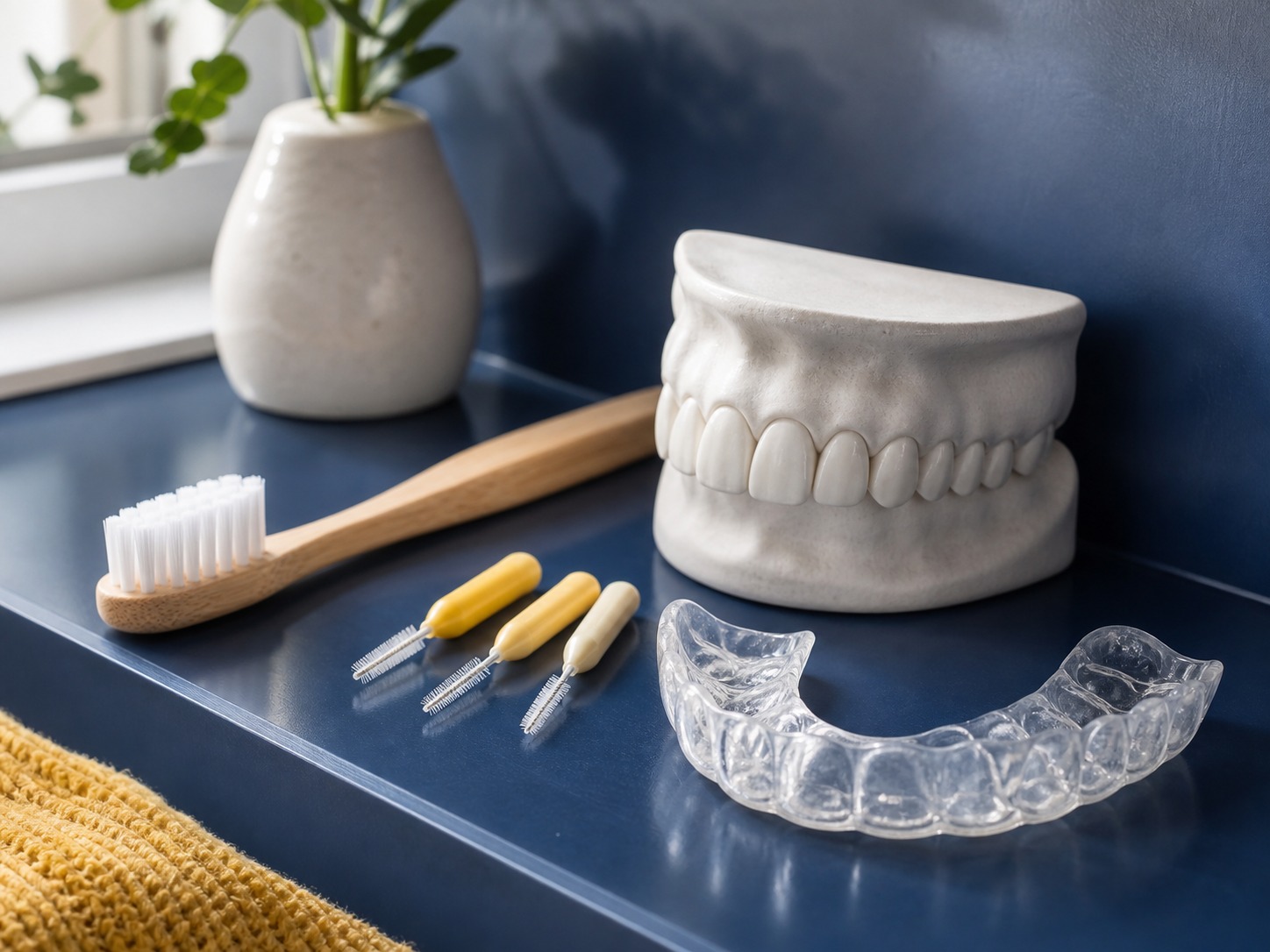
Brush twice daily with fluoride toothpaste and clean between the teeth using the method recommended for you. Concentrate on the gum margin and contact points rather than scrubbing the veneer harder. An abrasive product cannot make ceramic healthier and may roughen composite or nearby tooth surfaces.
Avoid using veneered teeth as tools. Cut very hard food into manageable pieces and follow advice about contact-sport protection. If you grind or clench, tell your dentist. A protective appliance may be discussed, but it needs to fit the bite and should not be bought as a substitute for assessment.
Keep dental examinations and hygiene care at intervals based on your oral health. The veneer surface may look intact while a margin, gum or neighbouring tooth needs attention. Professional polishing methods also differ between porcelain and composite.
Arrange an assessment if a veneer feels loose, moves, catches floss differently or makes a new clicking sensation. A chip may feel like a sharp edge or a change in the way the teeth meet. Do not keep testing it with your tongue or fingers, and do not try to glue a detached veneer back.
A darker line can have several explanations, including stain, gum movement, material at the margin or a change in the underlying tooth. Sensitivity, pain on biting or swelling is not simply a cosmetic maintenance issue and should be investigated. Sudden trauma deserves prompt advice even if the veneer appears present.
If a veneer comes off, keep it in a clean container and contact a dentist. Whether it can be rebonded depends on the condition of the veneer, tooth and bonding surface. Recementing or rebonding without understanding why it failed can lead to another failure.
Veneers are elective restorations and involve maintenance. They do not strengthen every tooth, make teeth immune to decay or guarantee a particular smile result. Seek urgent dental advice after facial trauma, for severe pain or swelling, or when a loose restoration creates a swallowing or airway concern.
A dentist first checks why the restoration changed. This may include examining the veneer, tooth, gums and bite, and taking an X-ray only when it could provide relevant information. Minor composite wear may be polished or repaired. A porcelain chip may sometimes be smoothed or repaired, but the location and size determine whether replacement is more predictable.
Replacement is not just the reverse of fitting the first veneer. Removing old material must protect the remaining tooth. The colour and position of neighbouring teeth may have changed, and the gum margin may sit differently. If several veneers were placed together, replacing one can also involve matching established ceramic.
Sometimes the tooth needs a different restoration. A heavily restored or fractured tooth may be considered for a crown, while active gum disease or decay must be managed before cosmetic work. Orthodontics, whitening or composite bonding may be a more conservative route for a new concern. Read about porcelain veneers in Kingston for the treatment assessment rather than assuming that replacement is automatic.
Tooth-whitening products change natural tooth colour; they do not bleach porcelain or composite restorations in the same way. If natural teeth around veneers darken or are whitened, the colour match can change. Discuss sequencing before whitening rather than trying to correct a mismatch afterwards.
Gums and tooth positions can alter gradually with age. A visible margin does not necessarily mean the veneer itself has failed, but the cause needs checking. Replacing a veneer solely to chase a changing gum line may not be the right first step if inflammation, brushing trauma or another condition is present.
Costs depend on the number of teeth, material, records, laboratory work and any stabilising treatment required. The fee guide is a starting point; an examination and written estimate are needed for an individual plan.
No. They are long-term restorations but may eventually need maintenance, repair or replacement.
Not in every case. Material properties differ, but planning, bite, bonding and care influence the outcome.
Sometimes. The material, chip size, position and condition of the tooth determine whether polishing, repair or replacement is appropriate.
The veneer itself does not decay, but the tooth can develop decay at an exposed or compromised margin.
Book if you notice movement, a chip, pain, sensitivity, gum change or a new bite problem, and keep routine reviews even when veneers feel normal.
Thames Street Dental can assess existing veneers, the supporting teeth and your bite before explaining maintenance or replacement options.







 020 8546 6546
