020 8546 6546



A scale and polish can feel sensitive or uncomfortable, especially if your teeth are already sensitive or your gums are sore. The experience varies, so tell your dentist or hygienist how you feel and ask them to pause if something hurts. Deeper cleaning for gum disease may need local anaesthetic; it is a different treatment from a routine clean.
Key takeaways
- Comfort varies: a scale and polish can feel sensitive, particularly if your teeth or gums are already sore.
- Discuss concerns before treatment: explain any sensitivity or anxiety and agree a signal to request a pause.
- Routine and deeper cleaning differ: periodontal treatment below the gum line may need local anaesthetic.
- Check symptoms that concern you: short-term sensitivity can follow cleaning, but worsening or persistent pain needs dental advice.

If you have put off a hygiene visit because you are worried about pain, start by explaining that concern. You do not need to wait until you feel confident enough to book without asking questions. Thames Street Dental provides dental hygiene and scale and polish appointments in Kingston, and you can contact the team to discuss your concerns before arranging a visit.
This guide gives general information, rather than a diagnosis or a prediction of how your appointment will feel.
What does a scale and polish feel like?
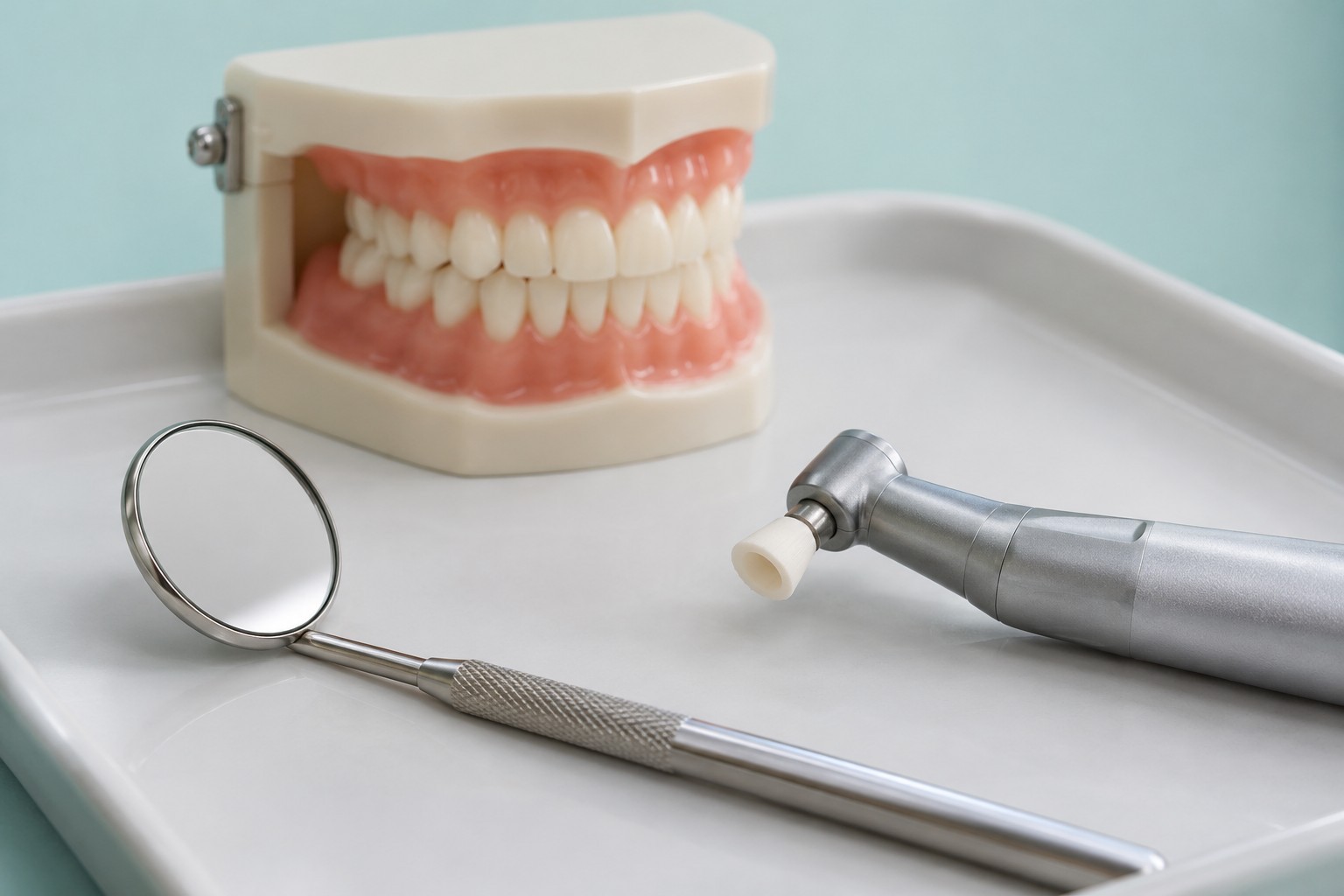
Scaling removes plaque and hard deposits called tartar from the teeth. Depending on the cleaning needed, a dental professional may use hand instruments, an ultrasonic instrument, or both. Polishing may then be used to remove remaining surface staining. University Hospitals of Leicester explains these cleaning methods, including the distinction between cleaning above the gum line and treating root surfaces below it.
You may notice contact against the tooth, noise, water and suction. These sensations can feel unfamiliar even when they are tolerable. It helps to ask what the next instrument does before treatment starts, particularly if a previous experience has left you feeling uneasy.
King’s College Hospital’s patient guide to having your teeth cleaned explains that a scaler may feel sensitive and that the polishing brush can be noisy. Sensitivity can also occur for a short time afterwards.
There is no need to describe the feeling perfectly. “That tooth feels sharp”, “the water feels too cold” or “I need a break” gives the clinician useful information. Agreeing a simple hand signal before they begin can make it easier to communicate while your mouth is open.
Why can a scale and polish hurt for some people?
Sensitivity and gum soreness can affect how cleaning feels. If cold drinks already cause discomfort, or brushing makes your gums sore, tell the clinician before they start. It is also useful to point out one particular tooth that bothers you, rather than assuming every sensation comes from the cleaning.
The NHS describes red, swollen, sore or bleeding gums as possible signs of gum disease. These symptoms deserve a dental assessment. A hygiene visit should not be treated simply as stain removal when there may be a gum-health problem to investigate.
Being worried about discomfort is another reason to talk through the appointment in advance. You might be concerned about the instruments, feeling unable to swallow, or being judged because it has been a while since your last visit. Naming the concern gives the conversation a clear starting point.
Ask which parts of the cleaning are needed, what sensations to expect and what options there are if an area is uncomfortable. The answer should relate to your mouth and the treatment proposed, rather than a blanket reassurance that everyone finds cleaning easy.
Is a routine clean the same as deep gum cleaning?
No. The phrase “a clean” can describe different procedures, which is one reason accounts from friends or online forums can sound contradictory.
| Treatment | Main purpose | What to ask about comfort |
|---|---|---|
| Routine scale and polish | Remove deposits from tooth surfaces and, where appropriate, polish away staining | Explain existing sensitivity and agree how to request a pause |
| Deeper periodontal cleaning | Clean affected root surfaces below the gum line as part of gum-disease treatment | Ask whether local anaesthetic is recommended and how treatment will be organised |
Kent Community Health NHS Foundation Trust’s guidance on root-surface cleaning describes using local anaesthetic to reduce discomfort and allow thorough treatment. Its guidance concerns periodontal treatment, so its injection and recovery advice should not be assumed to apply to every routine hygiene visit.
If deeper cleaning is recommended, ask the clinician to explain the gum findings, the proposed treatment and the aftercare. Understanding which procedure you are having is more useful than trying to decide whether all scaling “should” hurt.
What if you are nervous about dental cleaning?
Make comfort part of the booking conversation. You could say: “I want to arrange a hygiene appointment, but my last clean was uncomfortable. Can I discuss that before treatment starts?”
Before the visit, consider these questions:
- What happened last time? Mention a sensitive tooth, uncomfortable water, difficulty keeping your mouth open or anything else that made the visit hard.
- What would help you communicate? Ask to agree a stop signal and whether the clinician can explain each stage before starting.
- What needs checking first? Describe pain, swelling, bleeding or recent dental treatment so the team can advise on the right appointment.
- What does the appointment include? Ask about the proposed cleaning and fees, particularly if you are unsure whether you need an examination as well.
Bring an up-to-date medication list and tell the clinician about relevant health conditions. If you take medicines that affect bleeding, mention them; do not stop prescribed medication on your own.
At Thames Street Dental, you can contact the team about a hygiene appointment and explain that you are worried about discomfort. Check the treatment fee guide and ask the team to confirm what applies to the appointment you need.
Can teeth feel sensitive after scaling?
Yes. Temporary sensitivity is a recognised possibility after cleaning. Follow the individual advice you receive, particularly if you have had deeper gum treatment, local anaesthetic or another treatment at the same visit.
If something feels sore afterwards, consider whether it is a brief sensitivity to temperature or a more persistent toothache. Do not assume that all pain after a hygiene appointment is an expected effect of scaling. Contact the practice if symptoms worry you, are getting worse or are not settling.
For ongoing home care, the NHS recommends brushing twice daily with fluoride toothpaste, spitting out the excess rather than rinsing straight away, and cleaning between the teeth. Ask your clinician how to keep cleaning any tender areas and whether a toothpaste for sensitivity would be appropriate.
When to seek help: arrange dental advice for persistent toothache, pain on biting, fever, a bad taste or cheek or jaw swelling. Seek urgent advice for very sore, swollen gums or loose teeth. If swelling affects your breathing, swallowing or speech, or extends around your eye or neck, go to A&E; call 999 if you need an ambulance. If you cannot access urgent dental care, contact NHS 111. See the NHS toothache guidance for these warning signs.
FAQs about scale and polish discomfort
Does a scale and polish hurt if I have sensitive teeth?
It can feel sensitive, but your experience cannot be predicted from that alone. Explain what normally triggers the sensitivity and which teeth are affected before cleaning starts. Ask what can be adjusted if an area is uncomfortable.
Do I need an injection for a scale and polish?
Not every cleaning appointment needs local anaesthetic. Deeper periodontal treatment may need it. Ask which type of cleaning is proposed and how comfort will be managed in your case.
Is Airflow cleaning guaranteed to be more comfortable?
No method can guarantee a particular experience. If you are comparing cleaning options, ask what is suitable for your teeth and gums. Our Airflow and scale and polish comparison provides background; it does not replace an assessment.
Should I cancel if my gums bleed when I brush?
Contact the practice and describe the bleeding rather than cancelling because you expect the visit to hurt. Bleeding gums need assessment. Our guide to bleeding gums when brushing explains why this symptom matters.
Worried about your next hygiene appointment?
Tell Thames Street Dental what concerns you before your visit. Whether it is sensitivity, a difficult previous appointment or uncertainty about the treatment, explaining it gives the team a chance to discuss the appropriate next step.
Discuss a hygiene appointment with Thames Street Dental or call 020 8546 6546. The practice is at 28 Thames St, Kingston upon Thames KT1 1PE.
Sources and further information
- King’s College Hospital: Having your teeth cleaned at the dentist, June 2025.
- University Hospitals of Leicester: Gum disease and treatment.
- Kent Community Health: Professional mechanical plaque removal, January 2026; guidance for deeper periodontal treatment.
- NHS: Gum disease.
- NHS: How to keep your teeth clean.
- NHS: Toothache.