
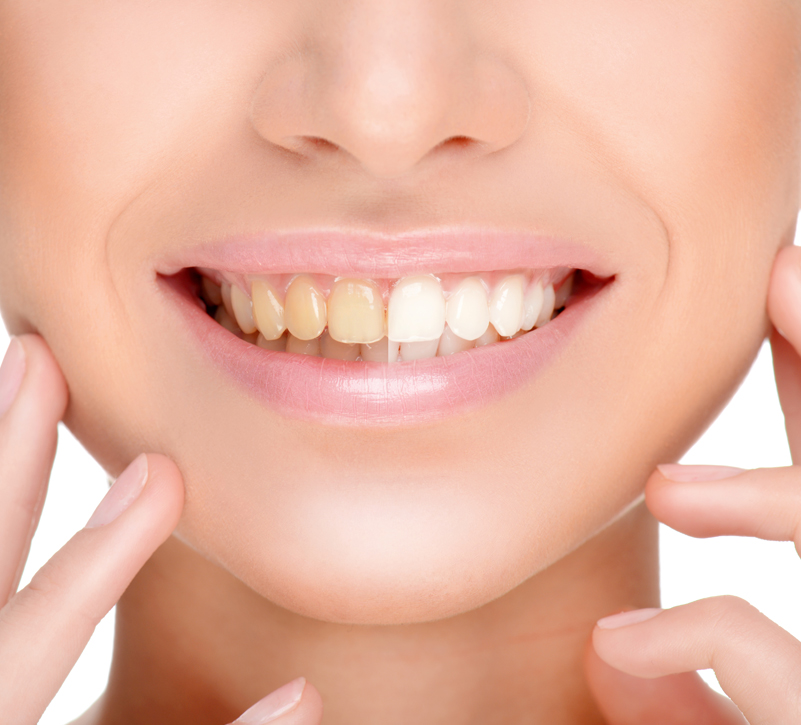
If you are asking how long does teeth whitening last, the honest answer is that it varies. Professional teeth whitening is not permanent, but many patients enjoy a brighter smile for a long time when they follow their dentist’s instructions and avoid habits that quickly re-stain teeth.
The NHS advises that whitening may last for around 3 years if you follow your dentist’s advice. Some people notice staining returning sooner, especially with frequent coffee, tea, red wine or smoking. Others maintain a brighter shade for longer with good brushing, regular dental care and sensible top-ups when advised.
For many patients, the visible effect of teeth whitening in Kingston can last from several months to a few years. It is better to think of whitening as a result that can be maintained, rather than a one-off treatment that lasts forever.
Professional whitening changes the shade of natural tooth enamel. After treatment, your teeth are still exposed to the same foods, drinks and daily habits that caused staining in the first place. That means some colour change over time is normal.
The Oral Health Foundation explains that whitening results can last several years, but this varies. Smoking and drinks such as tea, coffee and red wine can cause staining to return more quickly, while good brushing and regular dental cleaning help maintain the result.
Two people can have the same whitening treatment and get different long-term results. That does not necessarily mean one treatment has failed. Tooth shade, enamel thickness, staining history, oral hygiene and lifestyle all affect how long the brighter shade lasts.
Teeth naturally darken with age. Some teeth have yellow or brown tones from deeper internal colour, while others mainly have surface staining. Surface stains are often easier to improve and maintain. Deeper colour changes may need more careful planning and may not lift as dramatically.
Dark drinks and smoking are common reasons staining returns. You do not necessarily need to give up every staining food or drink, but frequent exposure can shorten the life of the whitening result. Rinsing with water after staining drinks and keeping up with cleaning can help.
Plaque and tartar can collect stains and make teeth look dull. If surface deposits are present, whitening may not give the clearest result until your mouth is professionally cleaned. A dental hygiene appointment may be recommended before or after whitening depending on your oral health.
Dentist-prescribed whitening usually comes with instructions about how much gel to use, how long to wear trays and when to stop. Using too little may reduce the effect. Using too much or whitening too often can irritate gums or increase sensitivity. The safest plan is the one your dentist gives for your mouth.
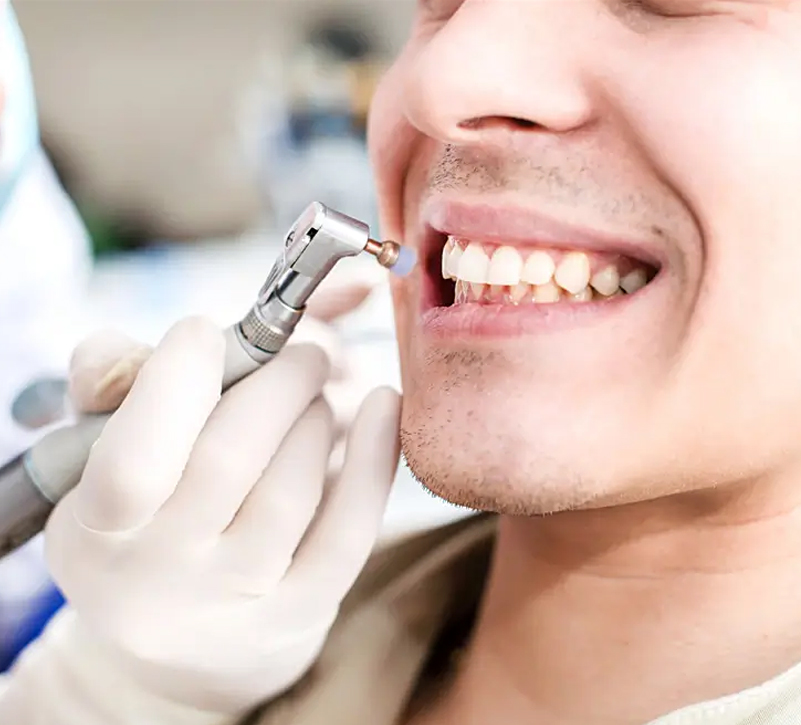
Whitening maintenance is mostly about reducing new stains and keeping your mouth healthy. Simple habits can make a noticeable difference.
Good maintenance does not mean avoiding all colour in your diet. It means reducing repeated staining and catching build-up early.
Some patients have occasional whitening top-ups to refresh their shade. The right timing depends on the original system, your sensitivity, how quickly staining returns and whether you still have well-fitting trays. Do not assume that more whitening is always better.
If your trays still fit, your dentist may advise a short maintenance plan using the correct gel and instructions. If the trays are old, damaged, loose or uncomfortable, they may need to be checked or remade. Poorly fitting trays can let gel spread onto the gums, increasing irritation.
Ask for advice before topping up if you have new fillings, crowns, veneers, composite bonding, gum recession, sensitivity, pregnancy, breastfeeding, tooth pain or a recent change in your oral health. A dental check-up can help confirm whether whitening is still appropriate.
Whitening only lightens natural teeth. It will not whiten crowns, veneers, implants, dentures, white fillings or composite bonding in the same way. This matters if you have visible dental work near the front of your smile.
If your natural teeth become lighter but your restorations stay the same shade, they may stand out more. In some cases, old fillings or bonding may need polishing, repair or replacement after whitening to match the new shade. This is why it is helpful to plan whitening before treatments such as composite bonding where shade matching matters.
If you are considering bonding as well as whitening, read our guide to composite bonding vs teeth whitening before deciding the order.
The NHS says using a kit from a dentist or having whitening at a dental surgery is the safest way to have teeth whitening. A dentist should check that your teeth and gums are healthy before treatment, because whitening is not suitable for everyone.
The General Dental Council explains that tooth whitening should be provided by registered dental professionals, or appropriate dental team members working to a dentist’s prescription. The Oral Health Foundation also warns that whitening in beauty salons should not be carried out by people without dental training.
Online or shop-bought whitening products may seem convenient, but they can be weaker, poorly controlled or unsafe. Some products may irritate gums, worsen sensitivity or create uneven results. For more detail, read our article on the dangers of unregulated teeth whitening products.
At Thames Street Dental, whitening advice starts with suitability. Your dentist can check tooth colour, gum health, existing restorations, sensitivity, dental history and what sort of result you want. If whitening is suitable, the team can explain the likely process, how to use the trays or system, and how to maintain the result.
The aim is not to promise a specific shade or a permanent result. It is to help you whiten safely, understand the limits, and make a maintenance plan that fits your mouth.
You can review the treatment fee guide or contact Thames Street Dental if you would like to ask about whitening options in Kingston upon Thames.
So, how long does teeth whitening last? A realistic answer is that professional whitening may last for a long time, sometimes years, but it depends on your mouth and habits. It will not last forever, and it will not stop future staining.
The best results usually come from dentist-led treatment, good oral hygiene, regular dental care, careful shade planning and sensible top-ups only when they are appropriate. If you are unsure whether whitening is right for you, start with a dental assessment rather than an online kit.
Thinking about whitening or a top-up? Contact Thames Street Dental for dentist-led advice in Kingston upon Thames.







 020 8546 6546
