

Yes. Tooth whitening can make teeth sensitive for some people, usually for a short time. It can also irritate gums if gel contacts soft tissues. Sensitivity that is severe, lasts for weeks, affects one tooth, hurts on biting, or comes with swelling, bleeding gums, pus or a bad taste should be checked by a dentist.
The NHS says a dentist should check that teeth and gums are healthy before whitening, and that sensitivity to cold or sweet food and drink can be a side effect. The Oral Health Foundation also advises speaking to a dental team before whitening so suitability and safety can be assessed.
Whitening gels act on tooth colour, but teeth are living structures. Some patients notice a quick zing with cold drinks, cold air or brushing during an active whitening course. This is often temporary, but the pattern matters.
Sensitivity may be more likely if there is exposed dentine, gum recession, enamel wear, tooth decay, cracked teeth, leaking fillings, recent dental work, clenching or gum inflammation. That is why a whitening consultation is not only about choosing a shade. It is also about checking whether your mouth is healthy enough for whitening and whether another problem needs attention first.
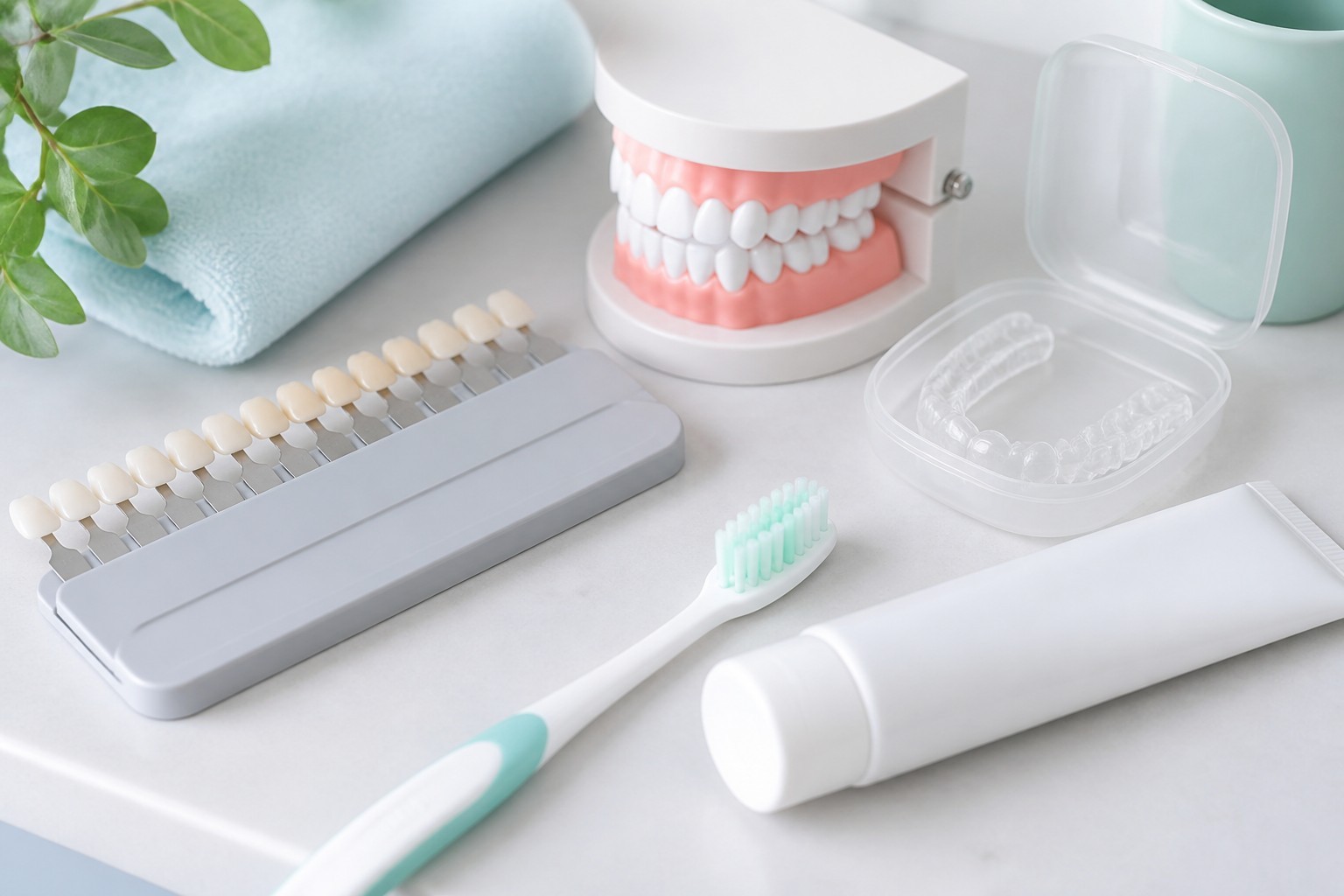
Some short-term, general sensitivity can happen during or after whitening. It may feel like a brief reaction to cold rather than a constant toothache. Your dentist can advise on tray fit, whitening schedule, gel use, sensitivity products and whether to pause or adjust treatment.
Do not keep pushing through symptoms if they are strong or changing. Sensitivity can sometimes point to a tooth or gum problem that whitening has made more noticeable.
Arrange dental advice if sensitivity is severe, lasts for weeks, affects one tooth more than the others, wakes you at night, hurts when you bite, or is linked with swelling, bleeding gums, pus, a bad taste or visible damage. If you already have sensitivity before whitening, book a dental check-up in Kingston before starting.
This article is general information, not a diagnosis. Whitening over an untreated dental problem may delay the care you need, so new or persistent symptoms should be assessed by a dentist.
Thames Street Dental can assess teeth, gums, existing fillings, recession, enamel wear and whitening goals before advising whether whitening is suitable. If sensitivity is already present, the team can look for likely causes and explain whether a check-up, gum advice, sensitivity care or restorative treatment should come first.
Yes. Some people get temporary sensitivity during or after whitening. Dental advice is important if symptoms are strong, prolonged, one-sided or linked with other warning signs.
Yes. A dentist can check teeth, gums, fillings, recession and existing sensitivity before advising whether whitening is suitable.
Ask for advice if sensitivity lasts for weeks, affects one tooth, hurts on biting, wakes you at night, or comes with swelling, bleeding gums, pus or a bad taste.
It can. Receding gums may expose root surfaces, which can be more sensitive. A dentist can check whether gum recession is part of the problem.
Contact Thames Street Dental for advice in Kingston. The team can check your teeth and gums first, then explain whether whitening or another dental step is suitable.







 020 8546 6546
