
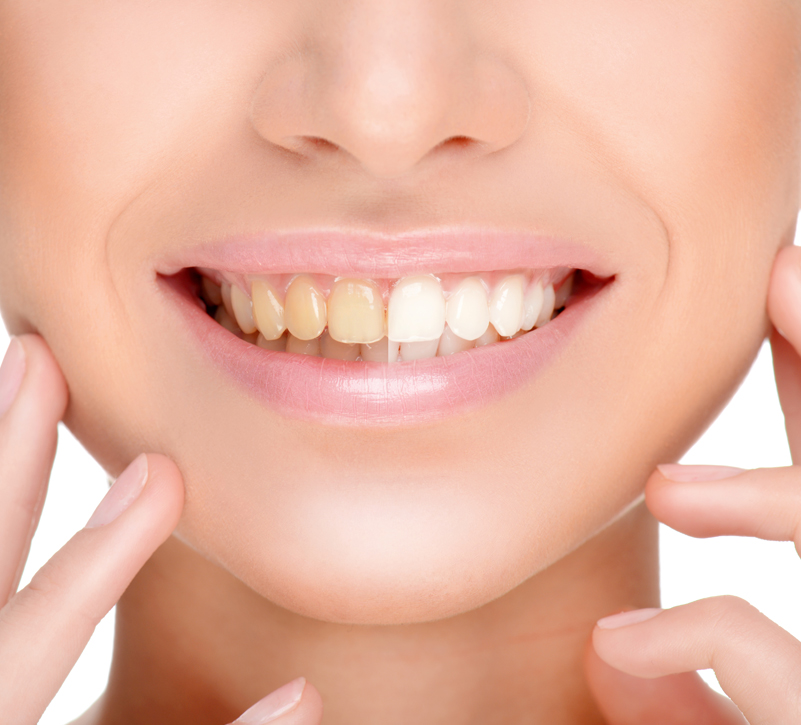
If you want to know how to whiten teeth, the safest first step is not an online kit or a beauty treatment. It is understanding what has changed the colour of your teeth, whether your teeth and gums are healthy, and which whitening method is suitable for your mouth.
Some staining is on the surface and may improve after a hygiene visit. Some colour is deeper within the tooth and may respond to dentist-led whitening. Some apparent discolouration comes from fillings, crowns, bonding, enamel wear or dental disease, where whitening alone may not help. This article is general information, not a diagnosis, so ask a dentist if you have pain, swelling, bleeding gums, sensitivity, broken teeth or sudden colour changes.
Safe teeth whitening starts with a dental check. The NHS says a dentist should advise whether whitening is suitable, and that they may examine your teeth and gums before treatment. This matters because whitening gel is designed for natural tooth tissue, not for untreated decay, leaking fillings, inflamed gums or restorations that will not change colour.
At Thames Street Dental, patients asking about teeth whitening in Kingston can have their oral health, tooth shade, sensitivity, existing dental work and smile goals reviewed before deciding what to do next. The aim is to brighten teeth predictably and conservatively, without promising a fixed shade or a permanent result.
A safe plan may include cleaning first, whitening later, or choosing another cosmetic option if whitening is not the right answer. If you have visible fillings, crowns, veneers or bonding, it is especially important to plan the final colour before you start.
Teeth are not all the same natural shade. Some people have warmer or yellower tooth tones even when their teeth are healthy. Teeth can also darken gradually with age as enamel becomes thinner and the inner dentine shows through more.
Tea, coffee, red wine, tobacco, some foods and plaque build-up can leave external stains. These stains sit on the tooth surface or around plaque and tartar. They may make teeth look darker even when the deeper tooth shade has not changed very much.
Some colour sits within the tooth. Dentist-led whitening is designed to lighten natural teeth, but results vary. The Oral Health Foundation explains that whitening can lighten the natural colour of teeth, but restorations such as crowns, dentures, bridges and white fillings will not whiten in the same way.
One tooth that has suddenly changed colour, darkened after trauma, become painful or developed a shadow around a filling should be assessed. Whitening may not be the correct treatment if there is decay, infection, a cracked tooth, old dental work or a dead nerve inside the tooth.
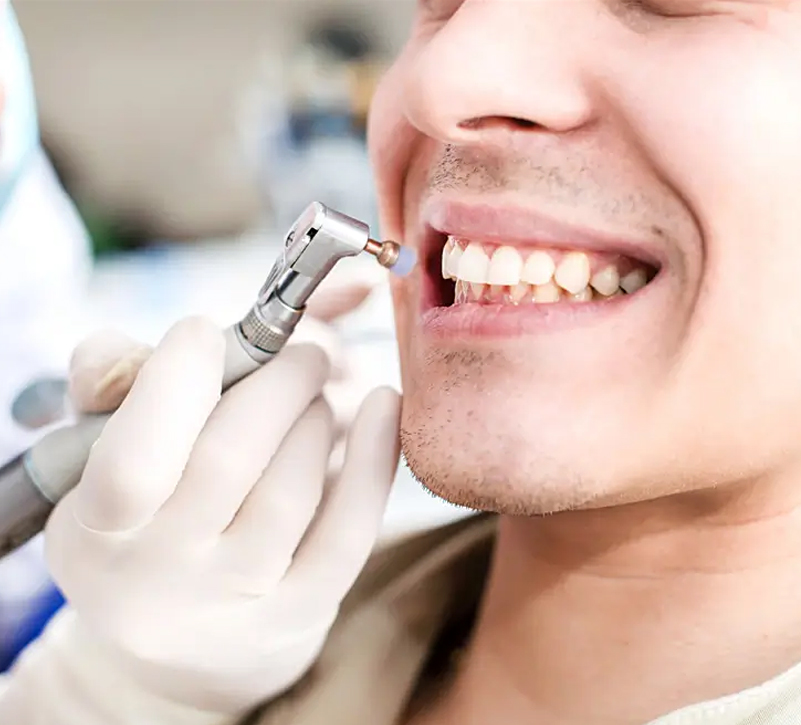
The right option depends on whether your teeth are stained, naturally darker, restored, sensitive or affected by dental disease. A dental hygiene appointment may be recommended if plaque, tartar or surface staining is making teeth look dull.
It can be tempting to buy whitening strips, gels, pens, LED kits or powders online. Some products may be ineffective, while others can irritate gums, increase sensitivity or be used in a way that does not suit your teeth. The NHS warns that home whitening kits can carry risks, including burns and sensitivity, if they are not used properly.
The General Dental Council says that only registered dentists, dental therapists, dental hygienists or clinical dental technicians working to a dentist’s prescription can legally and safely provide tooth whitening treatment in the UK. It also says that offering whitening without being a registered dental professional is illegal and can lead to prosecution.
Avoid rubbing lemon juice, bicarbonate mixtures, charcoal powders or abrasive products onto your teeth in the hope of whitening them. Acidic or abrasive DIY methods may wear enamel, irritate gums and make teeth look more yellow over time if the enamel surface is damaged.
For a deeper look at this issue, read our guide to the dangers of unregulated teeth whitening products.
When whitening is suitable and carried out under dental guidance, it is a common cosmetic dental treatment. The main short-term side effects can include tooth sensitivity and gum irritation. These are reasons to follow instructions carefully and to tell your dentist if your teeth are already sensitive.
Problems are more likely when whitening is done without a dental assessment, used too often, used with poorly fitting trays, applied over unhealthy gums, or used when there is untreated decay or exposed root surface. More gel or longer wear time does not automatically mean a better result.
Whitening also has limits. It will not change the colour of crowns, veneers, dentures, implants, white fillings or composite bonding. If these are visible when you smile, your dentist can explain whether whitening should happen before any repairs or shade matching.
Whitening is not permanent. The NHS advises that results may last for around 3 years if you follow your dentist’s advice, but this varies from person to person. Staining habits, oral hygiene, tooth shade and maintenance all affect how long the result lasts.
For more detail on maintenance, read our article on how long teeth whitening lasts.
If you are considering whitening, Thames Street Dental can help you understand whether your teeth are suitable, whether hygiene care should come first, and whether any existing dental work may affect the final shade. The team can also explain likely limitations, possible sensitivity and maintenance.
You can review the treatment fee guide or contact Thames Street Dental to ask about professional whitening options in Kingston upon Thames.
Start with a dental assessment. Your dentist can check whether stains are surface-level, whether your teeth and gums are healthy, and whether professional whitening is suitable for your mouth.
Whitening can cause sensitivity or gum irritation, especially if it is used incorrectly or without dental advice. Dentist-led whitening helps reduce risk by checking suitability and giving clear instructions.
Whitening toothpastes may help reduce some surface staining, but they do not usually change the deeper natural shade of teeth in the same way as dentist-led bleaching.
No. Whitening lightens natural teeth, but crowns, veneers, dentures, implants, white fillings and composite bonding do not whiten in the same way. Ask your dentist before whitening if these are visible in your smile.
The NHS says whitening by beauty salons is illegal if there is no dental professional present. The GDC says tooth whitening should only be provided by registered dental professionals or certain dental care professionals working to a dentist’s prescription.
You can contact Thames Street Dental in Kingston upon Thames to ask about dentist-led whitening, suitability checks and maintenance advice.
Thinking about whitening your teeth? Contact Thames Street Dental for dentist-led advice in Kingston upon Thames.







 020 8546 6546
